Thinning Hair
 |
 |
Men with thinning hair often ask us whether it makes sense to move forward with hair transplantation now or if they should wait until they have lost more hair.
When we are asked by young men in very early stages of thinning, we will often advise that they should wait until their hair is thin enough that they will be able to see a significant improvement after hair transplantation. Generally, by the time most patients have contacted us about thinning hair, they have already lost enough hair that we can make a visible improvement by hair transplantation.
Thinning Hair Restoration
If there is sufficient space between the existing hairs, we often choose to transplant as many grafts in an area of thinning as we would in a bald area. The transplanted hairs surround the existing hairs without damaging them and will significantly increase density. In the future, after the natural, non-transplanted hair is lost due to natural progression of baldness, there will be enough transplanted hair to look respectable on its own.
Sometimes, even when there is enough space to finish an area in one session, patients choose to transplant enough hair for the present and to have a second session, after the non-transplanted hair is lost, to restore the hair density.
*Patients must keep in mind that their naturally-occurring hair will continue to thin out. It is the transplanted hair will sustain growth.
Disadvantages of Hair Transplants
Temporary shedding of some of the naturally-occurring hair may occur from two to six months after the hair restoration procedure. This is due to the local shock of surgery and temporary effects on circulation. All but the few hairs that were destined to fall out permanently, will grow back, but the hair in the area may look slightly thinner until transplanted hair and the “shock-lost” hair grows in. Hair restoration procedure may require two sessions to achieve satisfactory density.
Advantages of Hair Transplants
One major advantage of proceeding with proactive hair transplantation is that others never need know that you underwent hair transplantation. In the short term, we can use the existing hair to camouflage the recipient area to allow a speedy cosmetic recovery. Your hair will grow in gradually and will fill in quite naturally over time.
BACKThe Seager Advantage!
 Find out how countless satisfied clients lives are being transformed by the Seager Advantage
Hairgrafting: Why? For Whom?
Ask Any Questions Below
When it comes to hair restoration there are no "bad questions", we invite you to send us your questions and have them answered directly by our highly experienced Seager medical doctor, simply fill in the form below for a hair transplant consultation.No pressure, No Obligation. Steps to hair restoration
Schedule a Consultation
Seager Client Videos

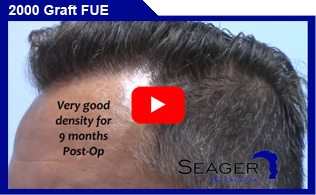
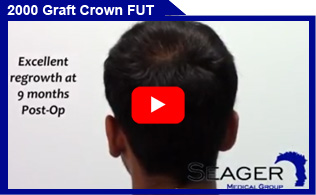

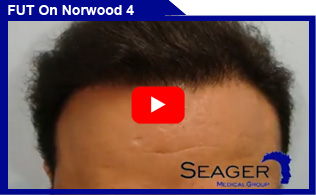



Seager Locations: